Chipped Tooth During Sports? A Texas Parent’s Emergency Guide
By Crossroads Dental of Victoria | June 12, 2026
Has your child ever taken a hit during a game and suddenly complained about a damaged tooth? Sports help children stay active, build confidence, and develop teamwork skills. However, contact sports and recreational activities can sometimes lead to unexpected dental injuries. A ball to the face, an accidental collision, or a fall on the field can quickly turn a normal game into a stressful situation for parents.
Many families in Victoria and nearby areas dealing with dental emergencies are unsure what to do first when a child chips a tooth during sports. Acting quickly can help reduce discomfort, protect the tooth, and improve treatment options.
At Crossroads Dental of Victoria, Dr. Simmons understands how concerning sports-related dental injuries can be for parents. This guide explains what steps to take immediately, when professional treatment is necessary, and how families in Victoria, Cuero, Port Lavaca, and surrounding Texas communities can help protect young athletes from future dental trauma.
What Should Parents Do Immediately After a Chipped Tooth During Sports?
If a child chips a tooth during sports, stay calm, check for additional injuries, rinse the mouth with water, control any bleeding, and contact a dentist promptly for evaluation.
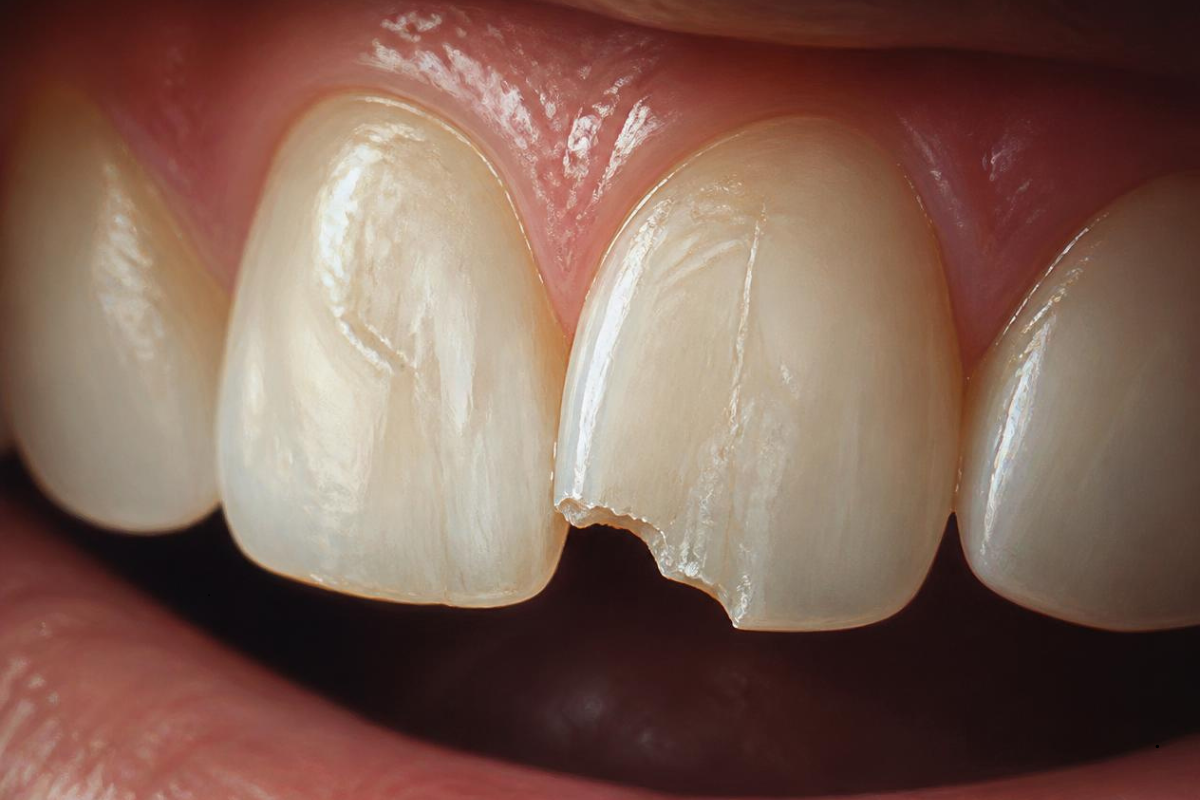
A chipped tooth may appear minor at first. However, the damage can sometimes extend deeper into the tooth than what is visible on the surface.
Follow these steps immediately:
- Move your child to a safe area.
- Check for bleeding, swelling, or facial injuries.
- Rinse the mouth gently with clean water.
- Save any broken tooth fragments if possible.
- Apply a cold compress to reduce swelling.
- Avoid hard foods or chewing on the injured side.
- Arrange a professional oral evaluation as soon as possible.
These actions are commonly recommended for sports dental injuries and can help preserve treatment options.
How Serious Is a Chipped Tooth Emergency?
Some chipped teeth involve only enamel, while others expose sensitive inner layers that require prompt treatment.
Not every chipped tooth causes severe pain. However, pain is not always an accurate indicator of injury severity.
A dentist will assess:
- Crack depth
- Nerve involvement
- Tooth stability
- Damage to surrounding teeth
- Gum and bone injuries
A seemingly small chip may actually be a form of traumatic dental injury that requires professional attention.
When evaluating a chipped tooth emergency, dentists often look for signs such as sensitivity to temperature, persistent pain, sharp edges, or visible discoloration.
What Signs Mean Your Child Needs Immediate Dental Attention?
Some situations require urgent evaluation.
Contact a dentist promptly if your child experiences:
- Significant tooth pain
- Ongoing bleeding
- Swelling around the tooth
- Difficulty biting down
- A loose permanent tooth
- Exposed tooth pulp
- Facial trauma involving the mouth
These symptoms may indicate a need for dental trauma treatment or emergency tooth repair.
Parents often focus on the visible chip but overlook hidden injuries affecting the tooth root or supporting structures.
Could a Chipped Tooth Be More Than Just a Cosmetic Problem?
Yes, A damaged tooth can create complications beyond appearance.
Potential concerns include:
Increased Sensitivity
When enamel is damaged, the tooth becomes more vulnerable to temperature changes.
Bacterial Entry
Cracks and exposed dentin can allow bacteria to enter deeper layers of the tooth.
Structural Weakness
A weakened tooth may be more likely to fracture further during future activities.
Bite Changes
Untreated damage can sometimes affect normal chewing function.
Many cases of dental injuries in youth sports involve hidden damage that only becomes noticeable days later.
This is one reason why Dr. Simmons often recommends a professional evaluation even when a child seems comfortable after an injury.
What Treatment Options Are Available for Sports-Related Dental Injuries?
Emergency dental treatment depends on the severity of the injury.
Common forms of dental emergency treatment include:
Dental Bonding
Small chips can often be repaired using tooth-colored composite material.
Dental Crowns
Larger fractures may require additional protection and restoration.
Root Canal Therapy
If the tooth nerve becomes damaged, further treatment may be necessary.
Monitoring and Follow-Up
Some injuries require periodic evaluations to ensure proper healing.
Families facing dental emergencies in Victoria frequently ask whether treatment can wait. The answer depends on the extent of damage, which is why professional assessment is important.
For many situations involving a chipped tooth, an emergency dentist in Victoria can determine the most appropriate next steps and help prevent complications.
What If the Injury Is a Knocked-Out Tooth Instead?
A knocked-out tooth emergency requires different action than a chip.
If a permanent tooth is completely displaced:
- Hold the tooth by the crown, not the root.
- Rinse gently if dirty.
- Place it in milk or saliva.
- Seek immediate professional care.
Time plays an important role in the successful management of a knocked-out permanent tooth.
This type of pediatric dental emergency requires urgent attention and should never be ignored.
How Can Parents Help Prevent Future Sports Dental Injuries?
Prevention remains one of the most effective forms of dental injury prevention.
Use a Properly Fitted Mouthguard
Mouthguards help absorb impact forces and reduce the risk of injury.
Wear Protective Equipment
Face guards and helmets provide additional protection in many sports.
Replace Damaged Mouthguards
A worn or damaged mouthguard may not provide adequate protection.
Schedule Regular Dental Visits
Routine evaluations can identify existing weaknesses that may increase the risk of injury.
Many cases of athletic dental injuries could potentially be reduced through consistent use of protective gear.
Whether a child plays football, baseball, basketball, soccer, softball, or participates in recreational leagues across Victoria and nearby communities, protection matters.
When Should You Schedule a Dental Visit After a Sports Injury?
Any sports-related tooth injury should be evaluated as soon as possible, even when symptoms seem minor.
A delayed evaluation can allow hidden problems to worsen.
A dentist may use clinical examination and digital imaging to assess:
- Tooth fractures
- Root damage
- Bone injuries
- Internal tooth trauma
If your child has suffered a chipped tooth during a sporting event, it is wise to contact a dental office promptly for guidance.
Parents often feel reassured after receiving clear instructions and understanding the available treatment options.
If symptoms worsen, professional emergency dental care may help address pain, protect the tooth, and support long-term oral health.
Supporting Young Athletes Throughout Victoria
Sports participation remains an important part of childhood across Victoria, Bloomington, Cuero, Port Lavaca, and surrounding communities. While most games end with great memories, accidents can happen without warning.
If your child experiences a chipped tooth or another sports-related dental injury, early evaluation can help identify concerns before they become larger problems. Families who need guidance following sports accidents are encouraged to visit our dental practice in Victoria for prompt assessment and recommendations.
Frequently Asked Questions
1. How quickly should a child see a dentist after chipping a tooth?
A child should be evaluated as soon as possible, ideally the same day. Even small chips can hide more serious damage that is not visible without an examination. Prompt assessment allows the dentist to identify potential complications and recommend appropriate treatment before the condition worsens.
2. Can a chipped tooth heal on its own?
Unlike skin or soft tissue, tooth enamel does not regenerate. A chipped tooth typically requires professional evaluation to determine whether repair is necessary. Even when discomfort is minimal, treatment may help protect the tooth from further damage and reduce future complications.
3. Should I save the broken piece of the tooth?
Yes. If you can safely find the fragment, place it in a clean container and bring it to the dental appointment. In some situations, the dentist may be able to use the fragment during treatment or use it to better assess the extent of the injury.
4. Is a chipped baby tooth considered an emergency?
It can be. While baby teeth eventually fall out, trauma may affect surrounding tissues or developing permanent teeth. A dental examination helps determine whether treatment is necessary and provides guidance on protecting your child’s oral health after the injury.
5. What is the difference between a chipped tooth and a dental fracture?
A chipped tooth often involves a small portion of enamel breaking away. A fracture may extend deeper into the tooth structure and can involve the dentin or nerve. Both situations deserve professional evaluation because deeper injuries are not always visible without diagnostic assessment.
Know What to Do Before the Next Game
A sports injury can happen in seconds, but knowing how to respond can make a meaningful difference. From saving broken tooth fragments to seeking timely treatment, parents play a critical role in protecting their child’s oral health after an accident.
At Crossroads Dental of Victoria, Dr. Simmons helps families in Victoria facing dental emergencies understand their options and receive timely support when unexpected injuries occur. If your child has suffered a chipped tooth or needs emergency dental care, call 3615854904 to discuss the situation and book an appointment for professional evaluation and treatment.
**Disclaimer: This content should not be considered medical advice and does not imply a doctor-patient relationship.