The Summer Surge: How Sports Drinks Trigger Youth Dental Emergencies in Victoria
By Crossroads Dental of Victoria | July 22, 2026
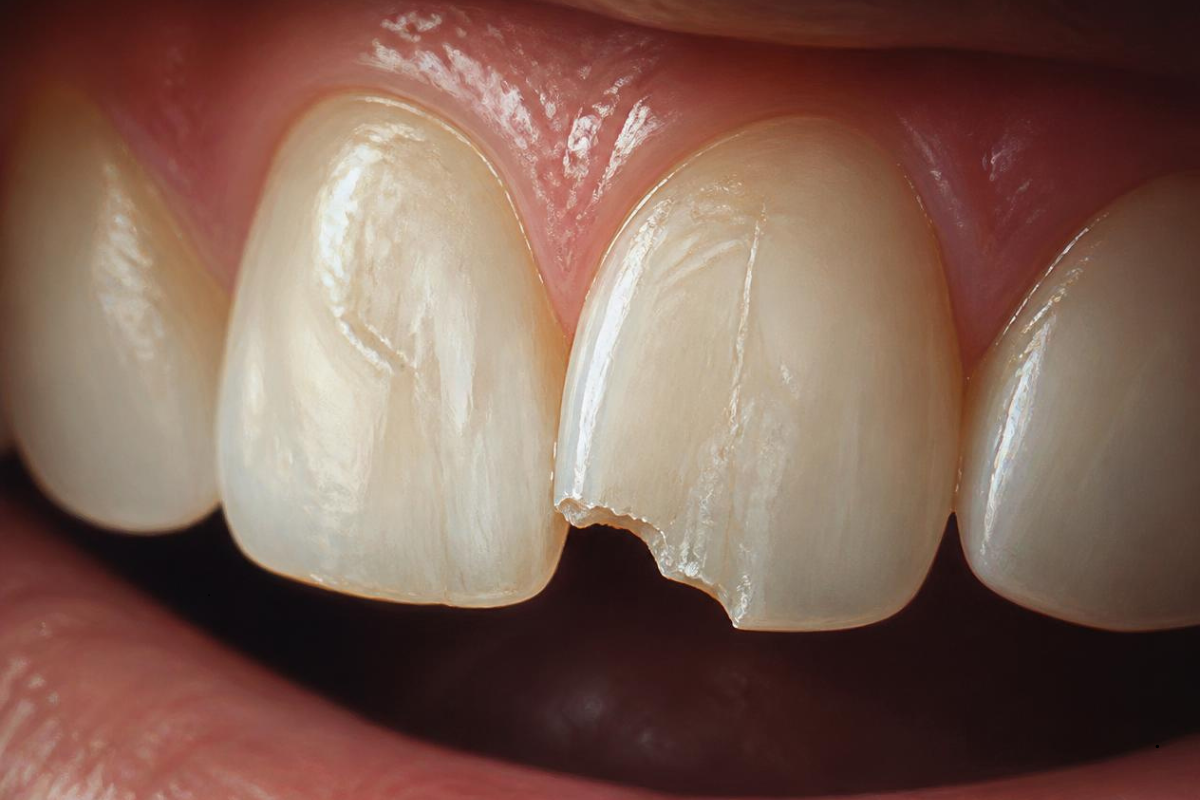
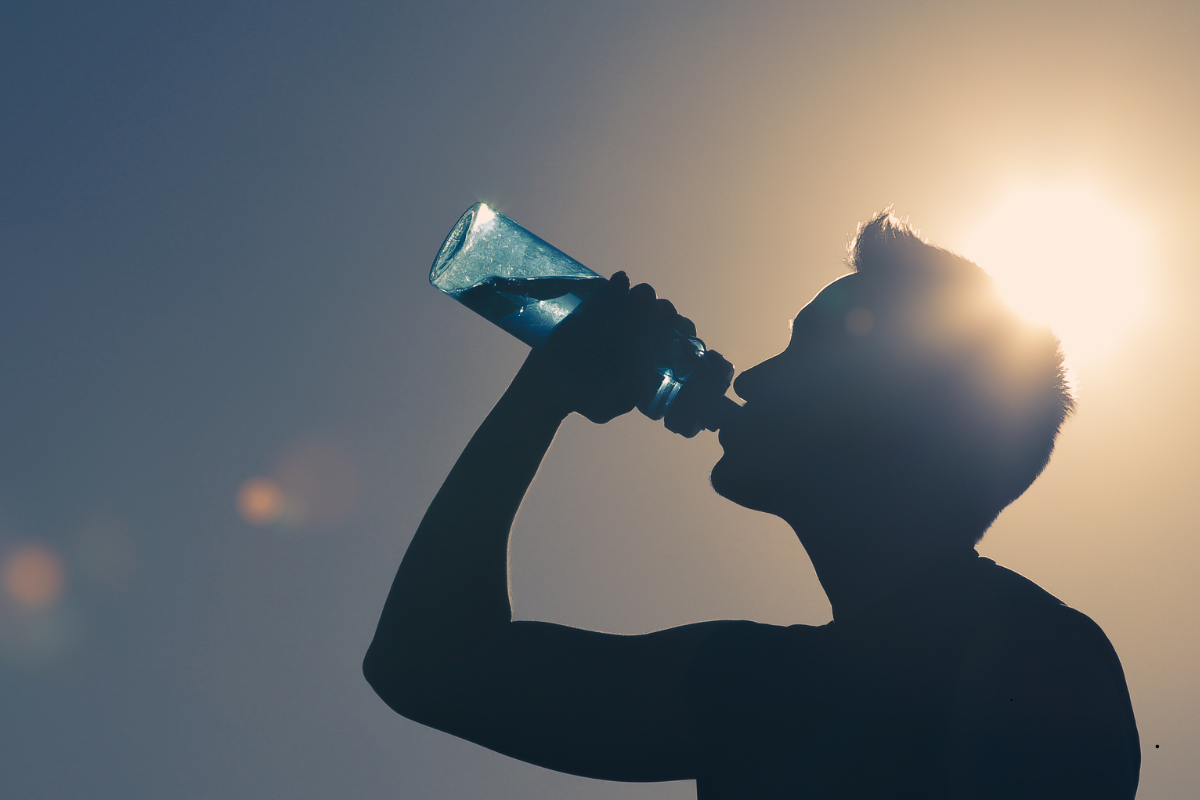
During hot Texas summers, youth sports drinks drastically accelerate tooth enamel erosion through high citric acid concentrations combined with exercise-induced dry mouth. When young athletes rehydrate with popular electrolyte beverages after games at the Youth Sports Complex, the sudden acid spike demineralizes protective enamel, leading to acute nerve exposure, sudden fractures, or severe tooth sensitivity.
When these high-acid sports drinks trigger sudden, severe tooth pain or cracked enamel on the field, seeking immediate care from an emergency dentist in Victoria ensures your child gets prompt relief and protects their long-term smile.
At Crossroads Dental of Victoria, Dr. Matt Simmons delivers gentle, immediate care to treat sudden dental trauma and severe structural erosion. If your child experiences an unexpected dental issue during tournament season, visit our dental office right away to safeguard their oral health.
The Silent Corrosive Mechanics: How Sports Drinks Destroy Enamel
Tooth erosion occurs when extrinsic dietary acids directly dissolve the outer calcium-phosphate matrix of human enamel without needing oral bacteria to produce acid. Unlike traditional cavities caused by plaque bacteria converting sugars into decay over time, acid erosion is a direct chemical dissolution. This relentless chemical wear thins the outer enamel layer until the yellowish, highly sensitive dentin tissue beneath becomes fully exposed to hot, cold, and physical contact.
The critical pH threshold where human enamel demineralization begins sits at 5.5. Most commercially available sports drinks possess an aggressive chemical pH ranging between 2.7 and 3.2 due to heavy concentrations of added citric, tartaric, and ascorbic acids used for tart flavoring and preservation.
According to published clinical data from the Academy of General Dentistry, sports and energy drinks contain such high concentrations of acid that they begin actively eroding human tooth enamel after just five consecutive days of exposure.
Why Summer Athletics Exacerbate Acid Damage
Dehydration and Salivary Reduction
During strenuous physical activity under intense summer heat, the body conserves internal fluids by drastically reducing salivary gland output. Saliva acts as the body’s natural defense mechanism, containing bicarbonate ions that neutralize acids, wash away debris, and deliver essential minerals like calcium and phosphate back into enamel. When an athlete is dehydrated, their salivary flow drops significantly. Gulping an acidic sports drink with a dry mouth allows pure, undiluted acid to bathe the enamel without any natural salivary buffering.
Frequent Sipping Habits
When student-athletes sip sports drinks continuously across a two-hour practice or a weekend tournament, they subject their teeth to repeated acid attacks. Every single sip re-triggers a fresh 20-minute demineralization cycle, preventing saliva from recovering its normal pH balance and continuously stripping away microscopic enamel crystals.
Structural Vulnerability to Physical Contact
Demineralized enamel loses its natural structural density and tensile strength. When an athlete with acid-weakened teeth sustains minor physical contact on the court, field, or diamond, the structurally compromised enamel is significantly more prone to chipping, deep cracking, or catastrophic fracturing during play.
Recognizing the Signs of Acid Erosion Before an Emergency Strikes
Recognizing early warning signs allows parents to address erosion before severe structural loss or painful dental emergencies occur:
- Translucent Edges: The cutting edges of the upper and lower front incisors appear glass-like, thin, or nearly clear under direct light.
- Cupping and Dents: Microscopic indentations or rounded, bowl-like depressions form on the chewing surfaces of the back molars.
- Severe Temperature Sensitivity: A sudden sharp, lingering pain when consuming cold water or ice cream, signaling that enamel has thinned enough to expose underlying dentin tubules.
- Tooth Discoloration: Teeth take on a distinctly yellowish tint as the thin, eroded white enamel allows the yellow dentin core to shine through.
If your young athlete exhibits severe sensitivity or sudden structural chipping during practice, consulting an emergency dentist in Victoria allows for immediate protective interventions, such as medical-grade fluoride varnish application or tooth-colored bonding, before the inner nerve becomes damaged or infected.
Protecting Young Athletes Without Sacrificing Hydration
You do not have to compromise athletic performance to protect your teen’s smile. Implement these evidence-based daily habits:
- Hydrate with Pure Water: Encourage water as the primary source of hydration for workouts lasting under 60 minutes.
- Neutralize Immediately: If your athlete consumes a sports drink, instruct them to swish thoroughly with plain water immediately afterward to rinse away residual acids.
- Avoid Brushing Right Away: Wait at least 45 to 60 minutes after drinking an acidic beverage before brushing teeth. Acid temporarily softens the enamel surface, and immediate brushing scrubs away the softened outer matrix.
- Use Re-mineralizing Toothpaste: Utilize pastes containing fluoride and nano-hydroxyapatite to rebuild microscopic calcium losses.
FAQs
1. Are sports drinks worse for teeth than sodas?
Sports drinks often cause greater enamel erosion than colas because they rely heavily on citric acid, which binds to calcium and aggressively dissolves tooth structure even faster.
2. What are the symptoms of acidic enamel erosion?
Common symptoms include severe cold sensitivity, yellowish tooth discoloration, micro-cracks along the edges of front teeth, and small rounded depressions on the chewing surfaces of molars.
3. Can enamel regrow once it has dissolved?
Enamel cannot naturally regenerate once lost because it contains no living cells; however, early microscopic demineralization can be strengthened using professional fluoride and calcium-phosphate treatments.
4. How long should my child wait to brush after a sports drink?
Children must wait at least 45 to 60 minutes after consuming an acidic drink before brushing, giving saliva time to safely re-harden softened enamel.
5. What should I do if my child breaks a tooth during a sport?
Rinse the mouth with lukewarm water, preserve any broken tooth fragments in cold milk or saline, and contact a dental professional immediately for urgent restorative care.
6. Are sugar-free sports drink options safe for teeth?
No, sugar-free sports drinks still contain high levels of citric and flavor acids, maintaining an acidic pH that actively erodes enamel regardless of sugar content.
7. How do dental professionals repair severe acid erosion?
Dentists restore eroded teeth using customized treatments like fluoride therapy, composite resin bonding, or protective ceramic crowns to rebuild structural stability and eliminate nerve pain.
Protecting Young Smiles Beyond the Summer Season
Staying hydrated during summer athletic events is vital, but protecting young enamel from sports drink acidity is equally essential. Knowing how citric acid and dehydration interact helps parents make smart hydration choices for their active children.
To protect your child’s smile or evaluate early signs of acid wear, book an appointment for a personalized diagnostic evaluation at Crossroads Dental of Victoria today.
**Disclaimer: This content should not be considered medical advice and does not imply a doctor-patient relationship.