7 Nutrient-Rich Foods for Optimal Oral Health
By Crossroads Dental of Victoria | November 4, 2026
Brushing and flossing get most of the credit for a healthy mouth, and they deserve it. But what lands on your plate matters just as much. Every bite either feeds the bacteria that cause cavities or gives your teeth and gums the minerals and vitamins they need to stay strong.
Here in the Crossroads, we’re lucky to have plenty of good options close to home. Between Gulf seafood, backyard pecans, and the produce stands around town, a tooth-friendly menu doesn’t have to be boring. Dr. Matthew Simmons and the team at Crossroads Dental of Victoria put together this list of seven foods worth keeping on hand.
1. Leafy Greens
Spinach, kale, and collards are packed with calcium and folate. Calcium helps rebuild enamel, and folate supports gum tissue health. Toss a handful into your eggs or stir some into a pot of beans.
2. Cheese, Milk, and Plain Yogurt
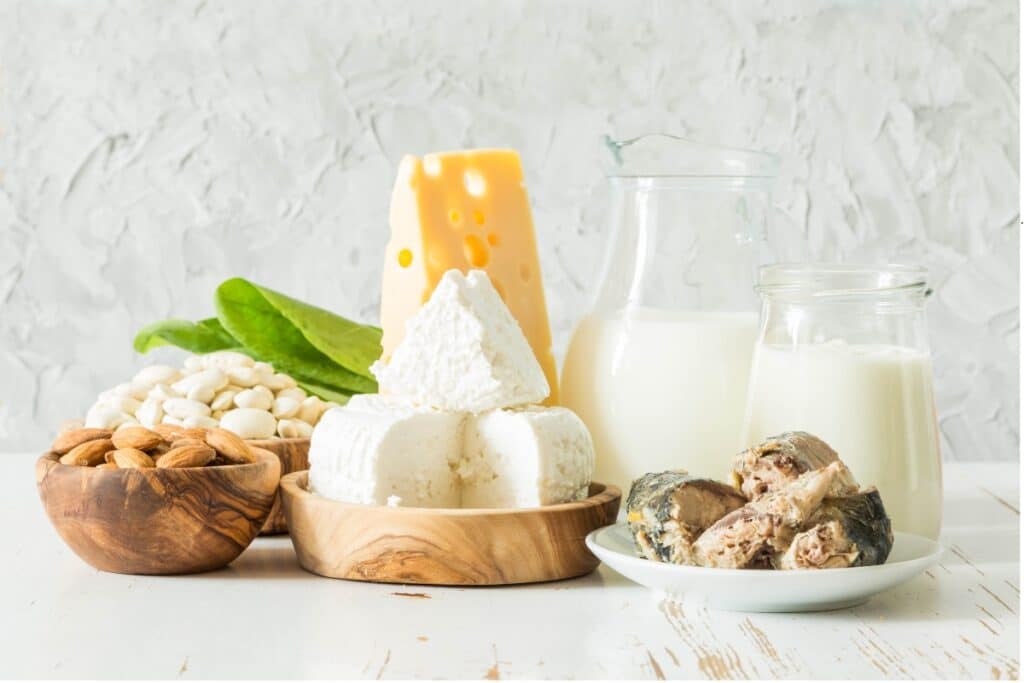
Dairy is one of the best sources of calcium and phosphorus, two minerals your enamel depends on. Cheese also helps raise the pH in your mouth after a meal, which makes it harder for acid to do damage. Pick plain yogurt over the sweetened kind to skip the added sugar.
3. Crunchy Fruits and Vegetables
Apples, carrots, celery, and cucumbers take a while to chew, which boosts saliva flow. Saliva is your mouth’s natural rinse, washing away leftover food and neutralizing acid. They won’t replace your toothbrush, but they help between brushings.
4. Fatty Fish
Salmon, sardines, and mackerel provide vitamin D, which your body needs to absorb calcium. Omega-3 fats may also help calm gum inflammation. If you’re grilling fish for a weekend cookout, you’re doing your mouth a favor.
5. Nuts, Especially Pecans
Texas’s state tree gives us a handy snack. Pecans and other nuts have protein, healthy fats, and minerals like magnesium and phosphorus, without the sugar that sticks to teeth. Choose raw or lightly roasted over candied.
6. Eggs and Lean Protein
Eggs, chicken, and turkey supply phosphorus and vitamin D in forms that are easy to work into any meal. Protein also keeps you full, so you’re less likely to reach for sugary snacks mid-afternoon.
7. Water (and Plain Green Tea)
It isn’t food, but it earns a spot. Water rinses your mouth and, in most communities, supplies fluoride. During a long, humid Victoria summer, sipping water throughout the day also helps prevent dry mouth, which raises your cavity risk. Unsweetened green tea adds natural compounds that may help limit plaque bacteria.
What to Limit
You don’t have to give up every treat. Just be mindful of these:
- Sticky candy and dried fruit: they cling to grooves and linger.
- Soda and sweet tea: sipping sugar all day keeps your teeth under acid attack. Sweet tea is a Southern staple, so try having it with a meal rather than all day.
- Sports and energy drinks: many are both sugary and acidic.
- Chips and crackers: refined starches break down into sugar and get trapped between teeth.
Smart Habits That Make Good Food Even Better
- Eat your sweets with a meal instead of grazing on them.
- Rinse with water after snacks when you can’t brush.
- Wait about 30 minutes after acidic foods or drinks before brushing, so you don’t scrub softened enamel.
- Brush twice a day with fluoride toothpaste and floss once daily.
Food, Braces, and Straighter Smiles
Diet matters even more when you’re straightening your teeth. If you’re wearing braces or considering orthodontics in Victoria, sugary and sticky foods can lead to stained enamel and gum trouble around brackets. Soft, nutrient-rich foods like yogurt, eggs, and cooked vegetables are gentle on appliances and good for your teeth at the same time. Parents of teens dealing with Friday-night concession stand temptations will want to share this tip too.
Frequently Asked Questions
1. Can food really prevent cavities?
Food can’t replace brushing and regular cleanings, but a diet rich in calcium, phosphorus, and vitamins D and C gives your enamel and gums a stronger foundation.
2. Is fruit bad for my teeth because of the sugar?
Whole fruit is fine in moderation. The fiber and water slow sugar absorption, and chewing boosts saliva. Fruit juice and dried fruit are the bigger concerns.
3. What should my kids snack on after school?
Cheese cubes, apple slices, carrot sticks with hummus, and plain yogurt are easy winners.
4. How often should I see the dentist?
Most patients do well with a checkup and cleaning every six months, though some need more frequent visits based on gum health or cavity risk.
Ready for a Healthier Smile?
Good nutrition is a great start, and a professional exam fills in the rest. Dr. Simmons and the Crossroads Dental of Victoria team are here to check for early signs of decay or gum disease and to build a plan that fits your family. Visit our website or call our office to schedule your appointment today.
**Disclaimer: This content should not be considered medical advice and does not imply a doctor-patient relationship.